A compact indoor family zone rewards a ride that creates activity without consuming every spare metre of circulation space. Crazy Rabbit products vary in footprint, cycle style and queuing needs, so comparing only the purchase price can produce a poor return. Buyers should use a crazy rabbit ride indoor footprint comparison to connect revenue potential with the space the park actually controls.
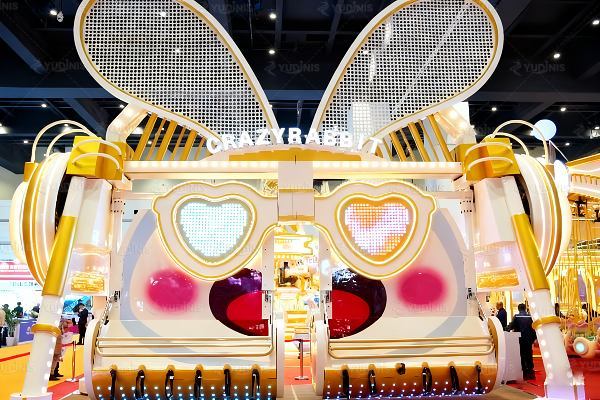
Measure Net Ride and Circulation Area
Start with the floor area after columns, exits, service doors and fire lanes have been removed. Mark the ride envelope, queue, loading area and the space parents need to stand with younger children. A rotary jump ride and a swing attraction may use similar floor area in different ways. The comparison should include the clear zone around each moving ride, not only the equipment footprint.
Compare Variants by Age Band and Family Group
List the target age ranges, height rules and companion requirements for each Crazy Rabbit option. Decide whether the zone needs a fast turnover experience, a shared family ride or several small activities. A compact family ride return on space analysis should test how often a family can use the same attraction during one visit and whether siblings can ride together.
Calculate Revenue per Useful Square Metre
Estimate riders per cycle, cycle time and realistic utilization for each model. Then divide expected ride revenue by the total floor area reserved for the ride, queue and operator position. Reviewing family swing ride indoor layouts helps compare how surrounding space affects useful capacity. Revenue per metre is more informative than headline ticket price when the park has a fixed indoor envelope.
Account for Staff and Maintenance Access
A compact ride still needs space for an operator, emergency access and routine inspection. Check panel clearance, lifting points and storage for spare seats or restraints. If two attractions share one attendant, confirm that the sight lines remain safe. Staffing savings should not rely on hiding maintenance tasks behind the ride cycle.
Model Sound, Lighting and Enclosure Costs
Indoor family attractions often need acoustic treatment, controlled lighting and durable finishes. Add those costs to the ride budget and compare them across variants. A spray feature may need water treatment and slip-resistant flooring, while a rotating ride may need a different ceiling clearance. General material on rotating swing ride operation helps explain the operating envelope of rotating equipment.
Run a Six-Month Utilization Review
After opening, track riders per hour, average family spend, repeat use and periods when the ride sits idle. Watch whether queues block the rest of the zone or whether one variant attracts a narrower age group than expected. The second phase should follow observed demand. A compact footprint creates value only when the selected variant keeps families engaged without choking circulation.
Return on indoor space comes from age fit, cycle capacity, circulation, staffing, utilities and measured utilization. Buyers should compare operating value rather than floor area alone. The Top Ride Sale indoor attraction planning team can help with the model, and the product range begins at https://www.topridesale.com/dinis-new-developed-crazy-rabbit-amusement-rides-for-sale/.
Leave a Reply