Coastal hardware rarely fails all at once. Salt film, small scratches and trapped moisture begin a slow process that can be easy to miss between busy weekends. The buyer should therefore set inspection frequency from exposure and evidence, not from a generic annual reminder. This ocean-themed swing ship ride corrosion inspection intervals guide explains how to build that schedule.
Classify Components by Exposure
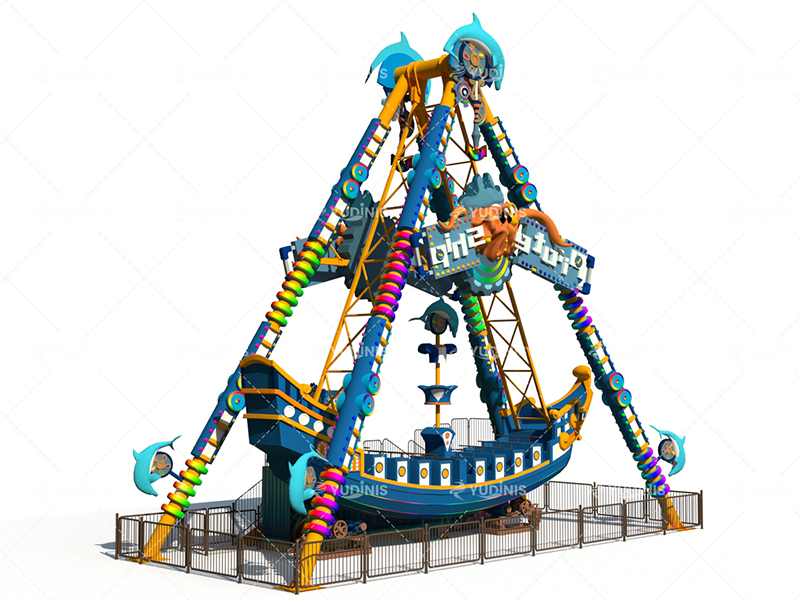
Divide the ride into painted shell, structural frame, fasteners, moving joints, electrical enclosures and decorative trim. Record which parts face direct wind, splash, wash-down or shade. A part behind a protected panel may need a different interval from an anchor visible beside the platform edge. The classification should appear on one drawing used by both operations and maintenance. Give each zone a number and use that number on inspection sheets so defects are not described only as near the front or left side.
Set a Short First Inspection After Commissioning
Inspect the completed decoration and hardware soon after opening, then again after the first wet or windy period. Look for coating damage, water marks and fastener staining that were not present at handover. A swing ship ride coastal hardware maintenance plan should use these early findings to adjust the next inspection rather than waiting for the first annual service. Keep before-and-after photographs from the same angle to make small changes visible.
Separate Visual Checks From Measured Checks
Daily staff can look for loose covers, rust runs and damaged seals. A qualified technician should inspect coating thickness, fastener condition and accessible structural items at a defined interval. Record the method and tools so later readings are comparable. Visible cleanliness alone does not prove that a hidden fastener or electrical enclosure remains protected. Use the same inspection route and lighting where possible, and flag anything that requires a cover to be opened.
Adjust Intervals by Season and Site Conditions
Storm season, irrigation and coastal wind may justify shorter intervals than the dry season. After unusual weather, complete an event inspection regardless of the normal calendar. Reviewing ocean ride upgrade and maintenance planning helps the park connect ride checks with paths, drainage and nearby construction that changes splash or wind exposure.
Record Coating Repairs and Repeat Defects
Every scratch repair should note the location, cause, product and curing time. If the same tray, fastener or joint returns to the defect list, change the protective detail instead of repeatedly painting over it. Public information on pirate ship ride maintenance can orient the inspection, but the manufacturer’s materials and local engineering criteria remain controlling. Record repairs in the same drawing used for the inspection schedule so future technicians can find the history.
Use Inspection Evidence to Revise the Calendar
At the end of each operating period, compare planned intervals with defects found between inspections. Shorten where deterioration advances quickly and lengthen where evidence supports it. A documented interval protects the ride, the maintenance budget and the purchasing decision.
Corrosion intervals should follow component exposure, early commissioning checks, measured findings and seasonal evidence. The ThemeParkProjects ocean ride maintenance team can support that schedule, and the equipment range is available at https://themeparkprojects.com/ocean-themed-swing-ship-ride/.
Leave a Reply