An outdoor zoo carousel faces sun, wind, leaves and sudden rain while guests and animal exhibits remain close by. Weather protection needs to cover the ride, queue and maintenance access without turning the structure into a noisy trap for water and debris. This animal carousel shelter and weather protection guide sets the design checks.
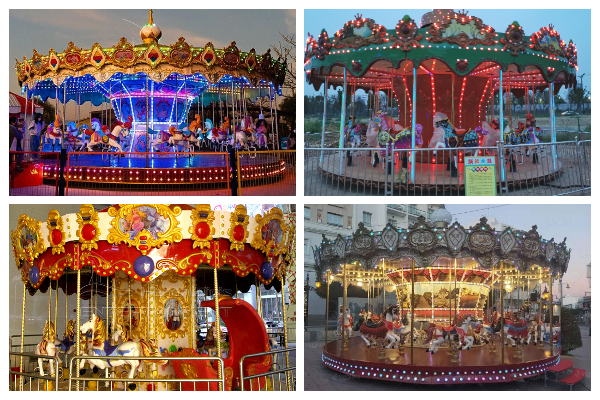
Map Rain, Sun and Wind Direction
Observe the site through several weather conditions and record prevailing wind, sun angles and runoff. Check where water splashes from paving or roofs. A outdoor zoo carousel equipment detailing plan should place equipment and electrical cabinets away from the wet side of the platform.
Design a Canopy That Drains Completely
The canopy should direct water away from the rotating assembly and queue. Reviewing a covered carousel layout for shopping centers helps compare protected public approaches, while zoo site conditions determine the final roof and drainage design.
Protect Animal Figures and Moving Parts
General reference material on amusement carousel weatherproofing supports the need to consider finishes, moving joints and guest surfaces together. Specify materials that can be cleaned and repaired without removing whole figures.
Control Wind and Storm Access
Confirm the operating wind limit and how panels, gates and temporary covers are secured. Leave room for staff to move barriers and inspect the ride after a storm.
Keep Maintenance Reachable
Canopy supports, lights and drainage outlets must not hide fasteners or electrical isolation. Test access from a stable platform in wet conditions.
Inspect Protection After Every Severe Event
Check drainage, seals, lift points and guest walkways before reopening. The Carousel Manufacturer outdoor ride engineering group can support the design, and equipment details are at https://www.carouselmanufacturer.com/product/zoo-carousel-ride/.
Ask the supplier to show how water leaves every horizontal surface, including the canopy edge, figure bases, steps and electrical cabinet surrounds. Confirm that wind-driven rain cannot enter an open side and reach controls or restraint storage. The design should include replaceable seals and visible fasteners rather than sealing everything behind permanent scenery. The zoo also needs a safe way to inspect the ride after rain without waiting for landscapers or an elevated platform. During commissioning, apply controlled water to the canopy and platform and watch where it travels. Photograph any ponding, splash path or damp enclosure. The ride should not open until drainage, electrical protection and non-slip surfaces have been checked. A seasonal storm procedure should identify which panels, gates and queue signs require inspection before guests return.
Weather protection is complete when the roof drains, the figures survive cleaning and maintenance access stays available. A covered ride still needs a tested storm procedure. The operator should know which surfaces are checked after every rain event and which defects require the carousel to remain closed. Keep a spare seal and approved touch-up finish in the maintenance store so small repairs do not wait for a special order. Record photographs from the same angles after commissioning and later inspections. That evidence makes it easier to distinguish normal wear from a new leak or loose panel. If water repeatedly collects in one location, correct the detail rather than increasing cleaning frequency.
Leave a Reply