A high-capacity launch can expose queue and restraint problems that were hidden by moderate demand. Families arrive in larger groups, loading windows shorten and staff have less time to correct a seat before the next cycle. This amusement park swing ride queue validation guide covers the checks buyers and operators should complete before opening at full throughput.
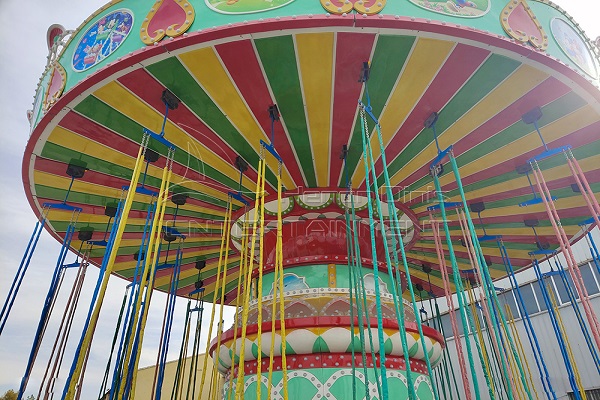
Measure the Queue at Entry and Loading
Test how quickly guests reach the gate during the busiest period. Confirm that groups know where to stand while companions wait and that the queue does not block the park’s main path. A high-capacity ride can create a low-capacity entrance if the gate, signage or ticket check is undersized. Include families with strollers and young children in the test rather than using staff alone.
Validate Restraint Cycles With Realistic Guests
Run the ride with different heights, clothing and companion combinations. Every restraint needs a complete amusement park swing ride restraint readiness check before dispatch. Record which seat positions take longer, because one slow restraint can reduce the entire ride’s throughput. Confirm that attendants can use the same check sequence during heat, rain or evening lighting.
Place Staff Where They Can See Every Chair
Assign attendants to the entrance, loading zone and dispatch point. Confirm that none has to leave a critical position to resolve a queue question. Reviewing amusement park swing ride capacity options helps compare seat layouts and loading methods. Staff sight lines should guide the final queue design. Place mirrors or signs only where they improve a real blind spot and do not distract from restraints.
Test the Exit During a Full Cycle
Watch a full unload while the next group waits. Confirm that guests leaving the platform do not cross incoming riders and that bags or loose items are managed before boarding. Public material on amusement park swing ride dynamics supports a whole-cycle view of the equipment and guest movement. Keep the exit usable when a guest needs extra time or a companion waits beside the gate.
Check Communication and Stop Procedures
Practice normal dispatch, a slow loading event and an emergency stop. The operator and attendants should use the same signals under pressure. Confirm that an attendant can stop the queue without blocking the exit. Any instruction requiring runners or shouted messages should be redesigned before the high-capacity launch. Record the response time and test the procedure with a relief crew.
Record the Launch Performance
Measure riders per hour, restraint exceptions and queue waiting time during the first busy periods. Compare the results with the planning assumptions and correct any position that creates repeated delay. Review incidents, near misses and staff feedback before increasing throughput again. Retain the evidence with the ride’s operating file. The Top Ride Sale swing ride commissioning team can help define the checks, and the equipment range is shown at https://www.topridesale.com/amusement-park-swing-ride-for-sale/.
Queue and restraint validation protects throughput, guest confidence and staff control. The ride is ready for high-capacity operation only when every part of the cycle has been tested together.
Leave a Reply