Zoo train rides cross a working animal-care environment, so a timetable based only on visitor demand can disturb feeding, veterinary checks or rest periods. The route must serve guests without treating the zoo’s daily animal programme as background scenery. This zoo train rides feeding schedule guide explains how to coordinate both.
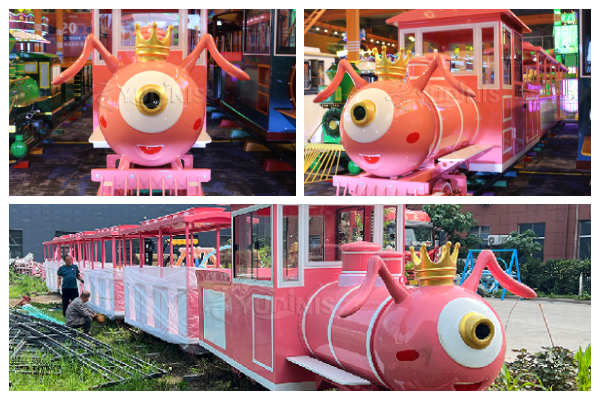
Start With the Animal-Care Calendar
Obtain feeding times, veterinary visits, cleaning periods and seasonal introductions from the animal team. Mark those events on the route plan and decide where the train must slow, stop or avoid the area. The timetable should be approved before tickets advertise a fixed loop. Ask how each season changes the pattern and who updates the schedule when an animal’s care plan changes.
Keep Train Movements Predictable
Animals adapt better when vehicles arrive on a consistent rhythm. A zoo train ride animal rest periods plan should set quiet windows and avoid repeated unscheduled passes during sensitive work. Train staff need a clear method to hold departures when the animal team requests temporary clearance. Define the radio message, the person authorised to issue it and the process for restarting service.
Design Safe Crossings and Stop Points
Mark keeper crossings, gates and visitor paths. The train should stop short of any area where an animal or staff vehicle may enter. Reviewing trackless zoo train ride operation helps buyers compare vehicle movement and turning needs. General information on zoo train ride routing also shows why driver visibility and route geometry matter. Walk each blind corner with the driver and keeper before the first passenger service. Retest sight lines after fences or exhibit signs are installed.
Coordinate Passenger Loading With Animal Activity
A stationary train with waiting visitors can create noise near an enclosure. Place boarding away from sensitive zones and keep the queue informed when a departure is delayed. Do not allow the train to wait with its engine running beside an animal area when a short shutdown is practical. Provide shaded waiting space and a simple explanation so the delay does not become a guest-safety issue.
Give the Animal Team Priority Control
Define who can suspend the route and how drivers receive the instruction. Record the reason and restart time. This authority should not be weakened by commercial pressure during peak days. A visitor delay is easier to manage than an avoidable animal-care incident. Review suspensions after each week to identify recurring route conflicts or unclear communication.
Review the Timetable After Opening
Compare actual stops with the plan and collect feedback from drivers and keepers. Adjust speed, departures or route edges where conflicts recur. Review whether guests understand the animal-care reason for delays and whether the route still delivers an enjoyable experience. Keep a weekly log of holds so seasonal patterns are visible. The Dinis zoo train route team can support the design, and suitable train packages are shown at https://www.dinistrains.com/zoo-train-rides-for-sale/.
Zoo train rides should follow animal care first, then build visitor departures around predictable, safe movement. The timetable is an operating agreement between the guest attraction and the zoo team.
Leave a Reply