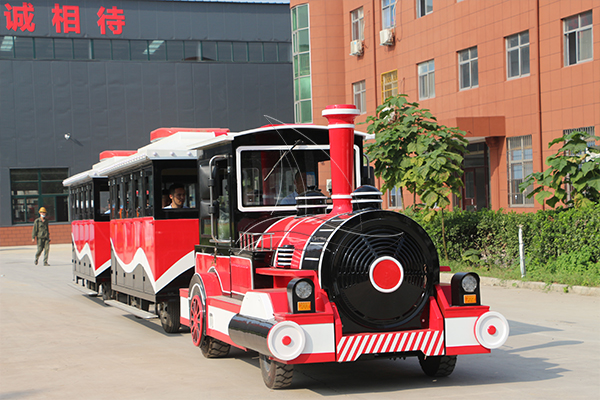
Periodic wheel measurements do not automatically answer when a vintage train should be stripped for major axle work. Several small changes can combine into a different risk picture. This vintage amusement park train axle overhaul guide explains when operators should move from observation to a planned workshop decision.
Compare Trends With Approved Limits
Review wheel diameter, flange wear, alignment and axle condition against the approved schedule. One reading near a limit matters, but a rapid change across two inspections deserves attention even before condemnation. Record operating hours and incidents so the engineering review has context. Compare the affected axle with the other sets and note any difference in load or braking duty.
Inspect the Axle as a Complete Assembly
A wheel that appears serviceable may sit on an axle with worn bearings, seals or coupling interfaces. A vintage park train inspection decision should include the complete assembly where the design permits. Look for corrosion, fretting, looseness and previous repair marks. Photograph anything that could be hidden when the train returns to service. Check whether earlier repairs used approved parts and whether their records match the installed components.
Decide Between In-Frame Work and Axle Removal
Confirm what the supplier allows to be adjusted while the assembly remains installed. Re-profiling, bearing replacement or structural repair may require an axle-out overhaul. Ask what measurements cannot be trusted until the component is cleaned and placed on proper supports. Define the inspection hold points before disassembly so a hidden defect does not force an unplanned decision under time pressure.
Price Rigging, Downtime and Reassembly
The overhaul budget should include lifting, workshop space, cleaning, replacement parts, testing and the labour needed to return the train to service. Reviewing vintage amusement park train maintenance support helps buyers compare supplier capabilities. General material on railway wheelset engineering supports a whole-assembly view rather than wheel-only inspection. Add transport and duplicate inspection costs if the work leaves the park.
Require Inspection and Verification Evidence
Ask for material checks, bearing fits, crack inspection and trial-run records according to the approved procedure. Record who signs off each step. A rebuilt axle should enter the train history file with new serial references, not disappear into a general repair invoice. Confirm that the returned assembly carries the correct marking and that the maintenance team receives the final measured dimensions. Reject hand-written values that cannot be linked to the tested component or the person who approved the result.
Plan the Next Interval Before the Train Returns
Use baseline readings after the overhaul to set future inspections. Confirm spare-part availability and update the maintenance budget. Review the rebuilt assembly after the first heavy operating period and compare it with the commissioning baseline. Record any early change before it becomes the new normal. The Dinis vintage train service team can support the decision, and suitable train packages are shown at https://www.dinistrains.com/vintage-amusement-park-trains-for-sale/.
An axle-out overhaul is justified by measured trends, assembly condition, approved work scope and lifecycle cost. The decision should be planned from evidence rather than delayed until a breakdown.
Leave a Reply