Custom-made wheels and couplings are among the least predictable costs in vintage amusement park train ownership. They may look simple, yet material choice, machining setup and testing can turn an urgent replacement into a major project. Operators need a vintage train wheel replacement budget that separates planned service from emergency procurement.
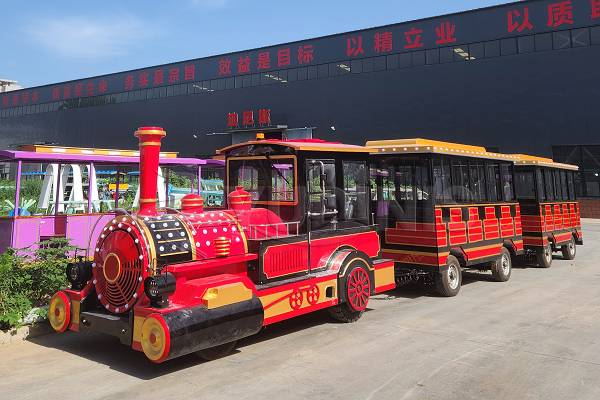
Build a Component-Level Replacement Schedule
Record the serial number, dimensions, material and installation date of every wheel set and coupling. Ask the supplier to identify parts that are standard, modified or unique to the vehicle. A photograph alone cannot confirm bearing fits or axle tolerances. The schedule should state which component triggers an inspection and which evidence allows continued operation.
Price Wheels by Material and Machining Steps
Request a quotation that separates raw material, inspection, machining, heat treatment and final measurement. Compare the quoted material grade with the existing drawing and ask how the supplier will verify that the replacement matches the original load requirement. A custom amusement train coupling cost planning review should also include freight and the cost of returning cores where applicable. If a wheel requires a new pattern or fixture, ask whether that setup cost is charged once and whether the tooling remains available for future orders.
Budget for Couplings as a System
Couplings transfer both motion and braking loads between carriages. A budget based only on the metal casting may miss pins, bushes, springs, safety chains and inspection documentation. Confirm whether the supplier quotes a complete assembly or individual pieces. Add an estimated replacement cycle to the maintenance plan so the next purchase does not appear as an unbudgeted emergency.
Separate Planned Replacement From Breakdown Contingency
Set a normal replacement fund for wear and a separate reserve for failed castings or urgent machining. Review the fund after every inspection and transfer unused contingency only when the asset remains in known condition. Reviewing custom-built park train component support shows why current designs and vintage vehicles may require different sourcing paths. Public information on miniature railway rolling stock helps operators understand that running gear, track and vehicle geometry must be considered together.
Confirm Test and Documentation Costs
Ask what inspection certificates, hardness records, non-destructive tests and trial-fit reports are included. Budget for an independent review when a new supplier fabricates a safety-critical part from a sample. The buyer should receive measurements that can be compared with the original file. Documentation cost is part of the replacement price because it supports future inspections and resale value.
Negotiate Price Protections and Lead Times
Agree on quotation validity, material-price adjustment rules and a target delivery date. Ask the supplier to notify the park before beginning an expensive machining step if measurements differ from the drawing. Keep a contact route for an urgent breakdown. A price that is low but depends on an indefinite delivery window may cost more in lost operating days.
A realistic vintage-train budget covers identification, materials, machining, complete coupling assemblies, testing and delivery. Operators should fund planned wear separately from breakdown risk and keep drawings current. The Dinis train lifecycle cost team can support the plan, and the product range is shown at https://www.dinistrains.com/vintage-amusement-park-trains-for-sale/.
Leave a Reply